
Musk Loses $150B OpenAI Lawsuit as Jury Rules It Was Filed Too Late
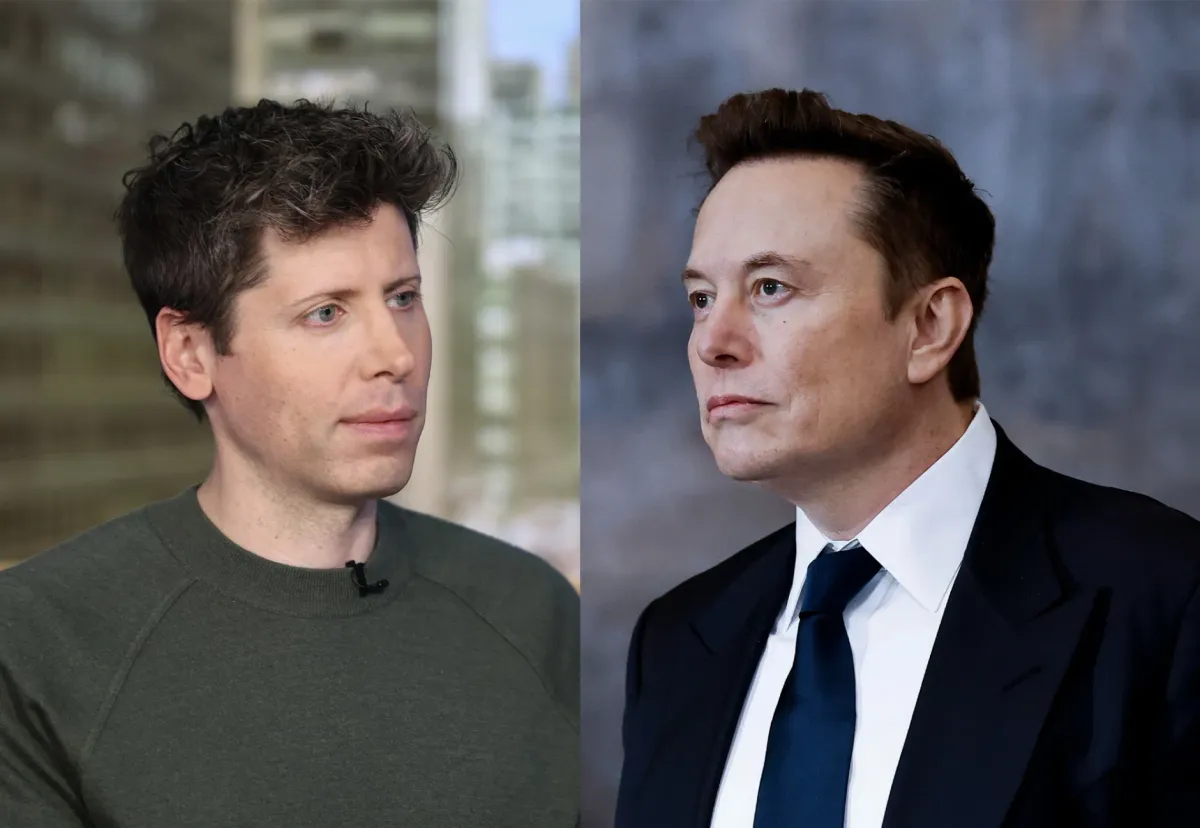
On May 18, a unanimous jury in the U.S. District Court for the Northern District of California rejected Elon Musk's $150 billion lawsuit against OpenAI, ruling that all three remaining claims (breach of charitable trust, unjust enrichment, and Microsoft aiding and abetting) were filed past the statute of limitations. Judge Yvonne Gonzalez Rogers confirmed the verdict from the bench. The case closed without ever reaching the merits, but the three-week trial put Sutskever, Brockman, and Altman testimony on the public record.
A unanimous jury in the U.S. District Court for the Northern District of California rejected Elon Musk's $150 billion lawsuit against OpenAI and CEO Sam Altman on May 18, ruling every remaining claim was filed too late. Judge Yvonne Gonzalez Rogers confirmed the verdict from the bench. Before the jury could weigh whether Musk's allegations were right or wrong, it concluded he had simply sued too late.
Unanimous Verdict: The Clock Decided It All
What the jury weighed wasn't substance — it was time. Three remaining counts (breach of charitable trust, unjust enrichment, and Microsoft aiding and abetting) all hinged on a single question: had Musk filed inside the statute of limitations? Twelve jurors agreed he had not, finding he should have known about OpenAI's for-profit pivot well before each per-claim cutoff.
A single procedural finding erased $150 billion in damages. Musk had sought Altman's removal as CEO alongside the monetary award; Altman, President Greg Brockman, and Microsoft were all named defendants. With the judge accepting the verdict on the spot, the case is effectively closed. Per Axios, absent a judicial reversal, Musk walks away empty-handed.
Statute of Limitations: Three Dates That Decided $150 Billion
If timing was the question, the exact cutoffs were everything. TechCrunch had laid them out before trial, and they held as the benchmark.
The charitable-trust claim turned on August 5, 2021. Unjust enrichment had to clear August 5, 2022. The Microsoft aiding-and-abetting claim was pegged to November 14, 2021. For each, Musk's harm had to be recognized only after the corresponding date for the claim to survive. The jury found the opposite.
As a result, whether the charitable obligation was actually breached, whether Altman and Brockman truly enriched themselves, and whether Microsoft knowingly assisted — none of those merits questions ever received a verdict. A one-line timing defense blocked the entire substance of the case.
After April's Fraud Dismissal, Three Cards Remained
Falling short of the merits wasn't new in this case. On April 24, Judge Gonzalez Rogers had already dismissed Musk's fraud claims, leaving three counts for the May trial.
Those three were the charitable-trust, unjust-enrichment, and Microsoft aiding-and-abetting claims. When the case was cleared for trial in January, Musk's team had hoped to fight on the merits — that OpenAI "started as a charity and became a profit machine." Once fraud fell away in April, the proof burden narrowed and the timing fight came into sharper focus.
In May, all three remaining cards collapsed under the same limitations defense in a single stroke. The path to the merits closed.

Sutskever and Brockman: What the Trial Exposed
Closing the path didn't erase what the trial put on the record. Across three weeks, OpenAI insiders took the stand, and details that had stayed inside the company came out in open court.
Former Chief Scientist Ilya Sutskever testified that he had gathered evidence showing a consistent pattern of Altman lying. Greg Brockman's OpenAI stake was confirmed in court at roughly $30 billion. A Microsoft executive stated the company has poured more than $100 billion into the OpenAI partnership.
Musk's side repeatedly emphasized that, after donating $38 million early on, he was cut out of conversations around Microsoft's massive investment. OpenAI countered that the for-profit structure had strengthened the company, and pointed to Musk's own xAI bid to acquire OpenAI as undercutting his current claims. Blocked from the merits or not, those statements are now part of the public record.
What the Verdict Didn't Touch — The Power Map Holds
The record stays; the market structure didn't move. As Investing.com noted heading into the verdict, this case was the last real variable that could redraw AI's power map.
No Altman removal. No Microsoft pullback. No reversal of the for-profit conversion. None of it materialized before the case closed. Musk running xAI head-to-head with OpenAI is exactly where things stand. The earlier trial coverage ended in the same mud-fight territory, only to be wrapped up on a one-line timing defense.

Whether Musk's camp tries an appeal or files a fresh complaint is open. Either path means breaking through the same limitations wall on the same charitable-trust and unjust-enrichment theories. Cutting open a route back to the merits is the first task left on Musk's side after this verdict.
- Axios - Musk loses landmark AI trial against OpenAI and Sam Altman
- TechCrunch - What the jury will actually decide in the case of Elon Musk vs Sam Altman
- Investing.com - Elon Musk's court battle against OpenAI enters homestretch
- Investing.com - US judge dismisses Musk's fraud claims in OpenAI case, plans to proceed to trial
- Investing.com - Musk lawsuit over OpenAI for-profit conversion can head to trial, US judge says