
Trump Postpones AI Pre-Release Review Executive Order After Last-Minute Tech Lobbying
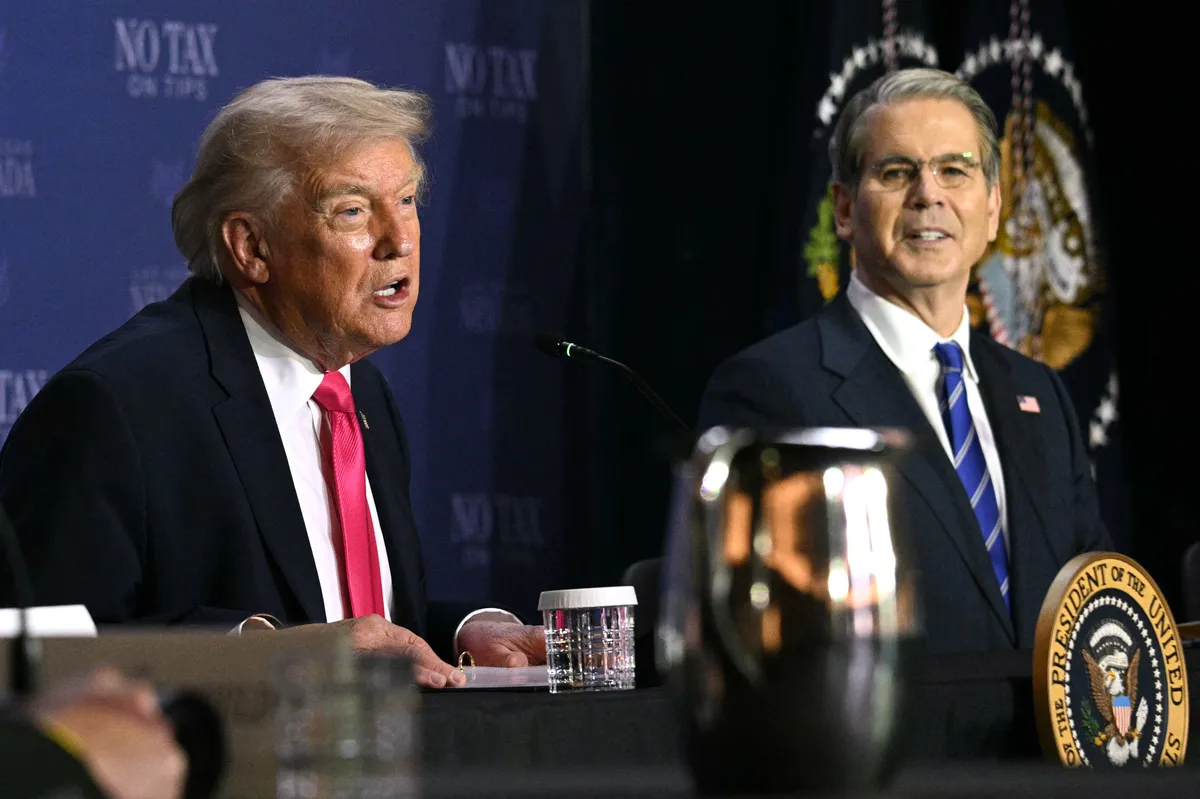
President Trump postponed signing an AI executive order on May 21, 2026, that would have required government pre-release review of frontier models 90 days before launch. Last-minute Big Tech lobbying from OpenAI, Anthropic and Google and concerns about losing the AI lead over China drove the reversal.
President Donald Trump on May 21, 2026, abruptly postponed signing a highly anticipated executive order on artificial intelligence. The proposed directive would have established a voluntary framework granting federal officials up to 90 days to review frontier AI models from OpenAI, Anthropic, and Google before their public release.
Trump privately expressed dissatisfaction with specific provisions of the draft shortly before the scheduled signing. He warned senior aides that imposing government bottlenecks on domestic model launches risks eroding the commanding lead the United States holds over China in the US-China AI race.
The sudden reversal followed an intense, last-minute Big Tech lobbying campaign by leading technology executives. Industry officials directly cautioned Trump that the pre-release review mandate would severely delay development and hamper American competitiveness.
The Anatomy of the Postponed AI Order: Inside the 90-Day Pre-Review Framework
Led by the White House Office of the National Cyber Director (ONCD), the postponed order aimed to grant federal authorities structured access to evaluate security and national defense risks of frontier AI models. Rather than requiring developers to hand over proprietary model weights, the draft proposed a compromise of 'access for evaluation' within secure, controlled testing environments.
The framework was structured as a voluntary partnership rather than a legally binding mandate. Executives from OpenAI, Anthropic, and Google had reportedly engaged in weeks of confidential discussions with White House officials to define the scope of these evaluations.
This initiative ran parallel to, but separate from, the national AI legislative framework that Trump announced on March 20, 2026, which focused on the federal preemption of state-level regulations. The May 21 draft was instead conceived as a specialized national security oversight mechanism within the executive branch.
How the AI Order Collapsed: Big Tech Lobbying and the US-China AI Race
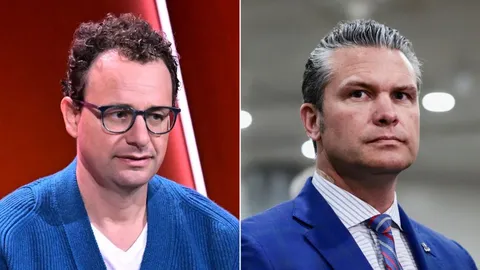
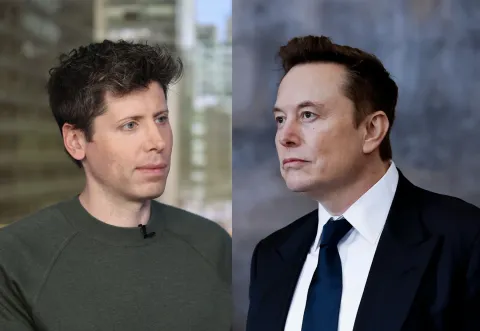
The pressure on the White House from Big Tech lobbying reached a crescendo in the 48 hours leading up to the scheduled signing ceremony. Reports from the Washington Post indicate that high-profile executives, including OpenAI's Sam Altman, Anthropic's Dario Amodei, and Google's Sundar Pichai, bypassed traditional channels to appeal directly to Trump and his senior advisors.
Their arguments leaned heavily on the US-China AI race, warning that a 90-day administrative delay would severely hamper American companies at a pivotal moment. This warning of a regulatory bottleneck impeding technological development resonated strongly with Trump.
Industry leaders pointed specifically to the rapid development cycles of Chinese AI firms like DeepSeek, Moonshot, and ByteDance. Industry representatives warned that if American models were held in regulatory limbo for three months, Chinese competitors could launch multiple generations of competing models in that same timeframe and seize the US-China AI race initiative.
Hawks Versus Economists: The White House Internal Divide

The Big Tech lobbying campaign reopened a deep ideological rift within the administration over US-China AI competition. The cybersecurity faction, including ONCD AI security leads, argued that advanced AI models present immediate national security risks and could be weaponized for offensive cyber operations, citing Anthropic's hardline stance in its safety-standard standoff with the Pentagon as a precedent. Conversely, economic advisors maintained that premature government regulations would stifle domestic technological leadership.
This internal policy battle reached a critical point on the eve of the scheduled signing. According to Axios, intense debates persisted late into the night of May 20, with Trump weighing the competing arguments until the last moment before ultimately prioritizing speed of innovation over safety checks.
This decision aligns with the foundational principles of Trump's second-term technology agenda. Since taking office in January, the administration has consistently operated on the premise that securing American dominance in artificial intelligence requires dismantling regulatory barriers.
Postponed, Not Canceled: ONCD's Next Move on AI Security
The White House carefully characterized the executive order as postponed rather than canceled. Administration officials noted that the ONCD AI security line remains actively engaged in drafting complementary security guidelines to address frontier AI vulnerabilities.
Any future draft is widely expected to feature diluted pre-release review requirements. Industry insiders suggest that a revised framework might target only a small subset of high-risk models, shorten the designated review window from 90 days to 30 days, or guarantee strict confidentiality for submitted data.
Alternatively, the administration could bypass the formal executive order process entirely by channeling these security benchmarks through the National Institute of Standards and Technology (NIST). While a NIST guidance track would lack binding regulatory authority, it would represent a more politically palatable path that minimizes tech pushback.
Shifting Currents: Global Implications for the EU and South Korea
The repercussions of the White House decision extend far beyond domestic borders. By walking back the pre-release review mandate, Washington has introduced significant uncertainty into the global AI safety governance model that international regulators have long used as a structural benchmark.
The European Union's comprehensive AI Act is already in force, while South Korea is finalizing legislative preparations for its own AI Basic Act. Both regulatory regimes were drafted with the implicit assumption that the United States would establish an equivalent, rigorous federal pre-release review mechanism.
With the United States steering toward a deregulation bias, regulators in Brussels and Seoul face a growing asymmetric burden. If international watchdogs maintain strict safety gates while Washington optimizes for launch speed, their domestic AI industries may face severe competitive disadvantages amid the broader US-China AI race.


- AP - Trump postpones AI executive order signing
- Washington Post - Last-minute lobbying by tech industry officials led Trump to cancel AI order
- Axios - Why Trump postponed his AI executive order
- CyberScoop - Trump postpones executive order focused on AI security
- Reuters (via Investing.com) - Trump to sign order on AI oversight as security fears mount among supporters